CHANNEL LETTER BENDING MACHINE SELECTOR

Compare 7 Channel Letter Bending Routes

Answer three practical questions to build a preliminary series shortlist. A SENQ engineer confirms the final configuration before quotation.

5,000 m² factory in Weifang · Building channel letter benders since 2016See why manufacturers choose SENQ
SENQ CNC technicians and channel letter bending machines on the Weifang factory floor

3-STEP SERIES SHORTLIST

Answer 3 Questions to Narrow the Starting Series

Tell us what you make, every material the same machine must handle, and your largest working size. No model knowledge or contact details required.

Compare All 7 Series
  1. 1
  2. 2
  3. 3

Step 1 of 3

What must this machine make most often?

Choose the main job driving this purchase. If one machine must cover several jobs, select that option instead of guessing.

Complete the three steps to see your shortlist

Your preliminary shortlist and comparison links will appear here after Step 3.

ALL SERIES COMPARISON

Compare All 7 Channel Letter Bending Routes

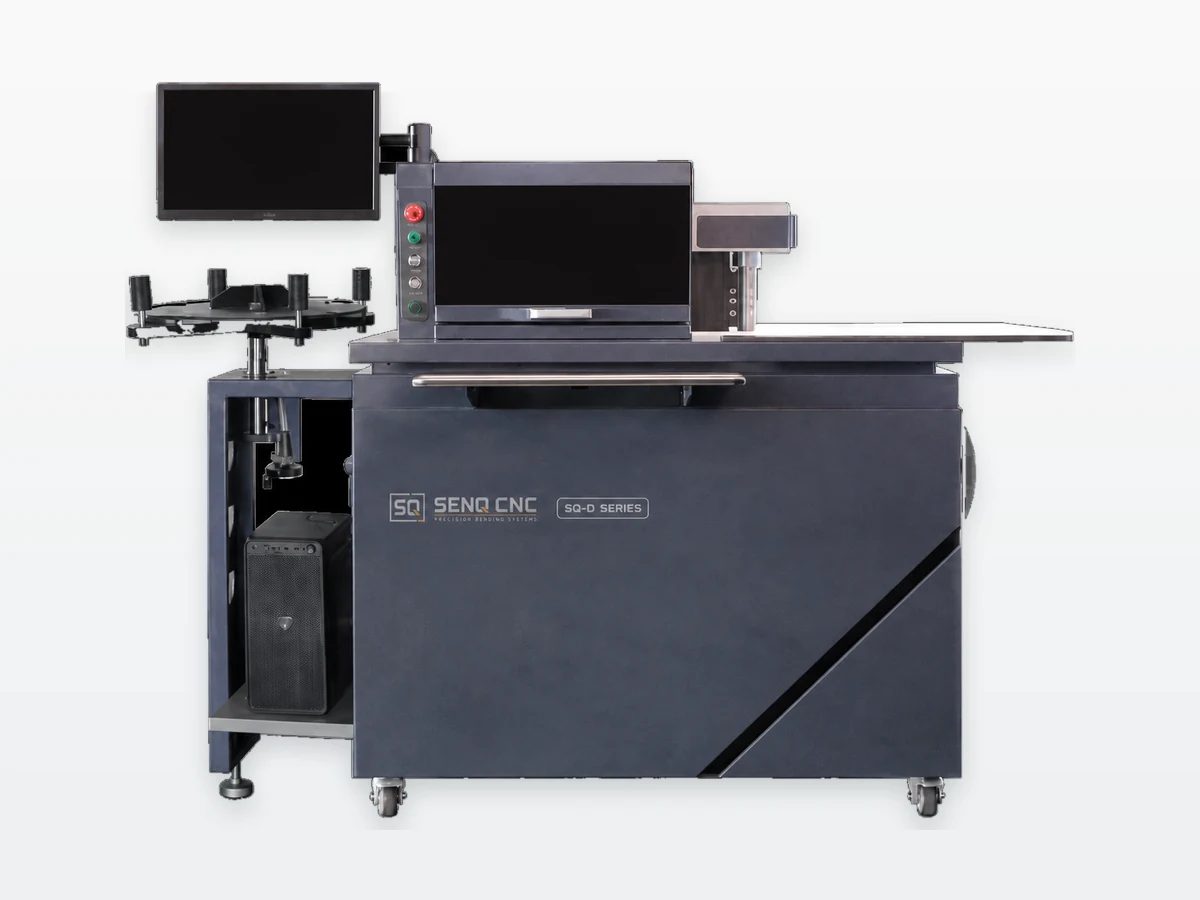
Compare application, material range, working size, and workflow across all seven SENQ series. When you complete the finder, the recommended route and any documented alternative are highlighted in the table. Product images identify the equipment; a SENQ engineer confirms the final configuration before quotation.

Tap a series to review its models, working range, and workflow.

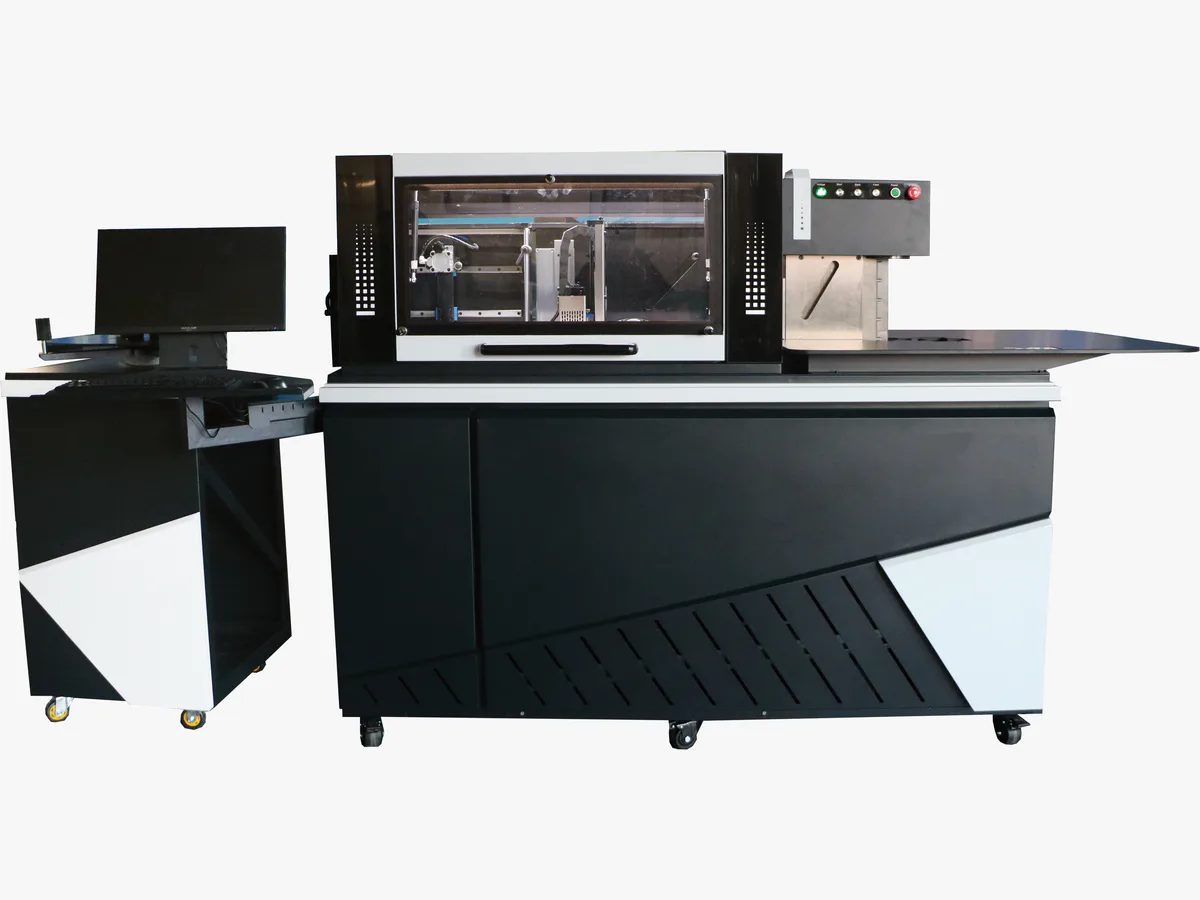
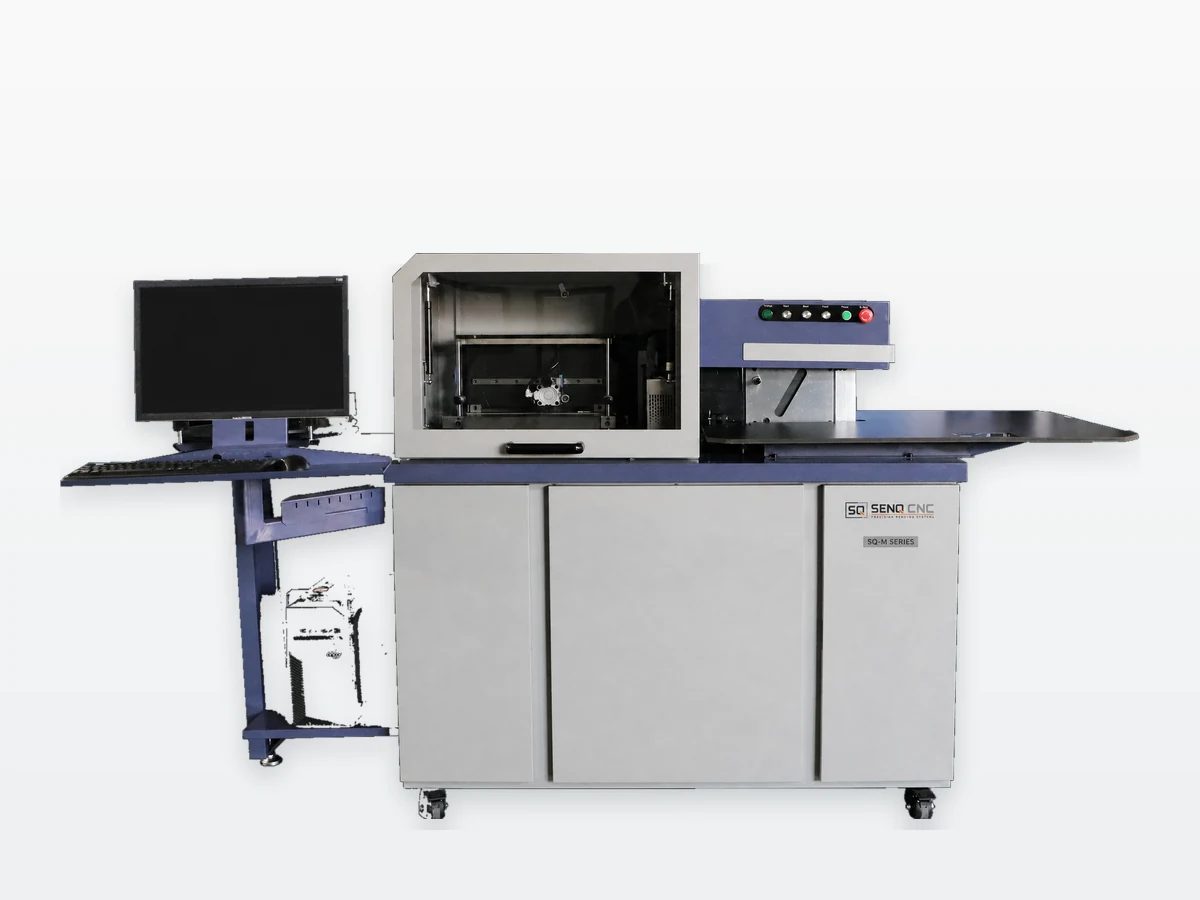
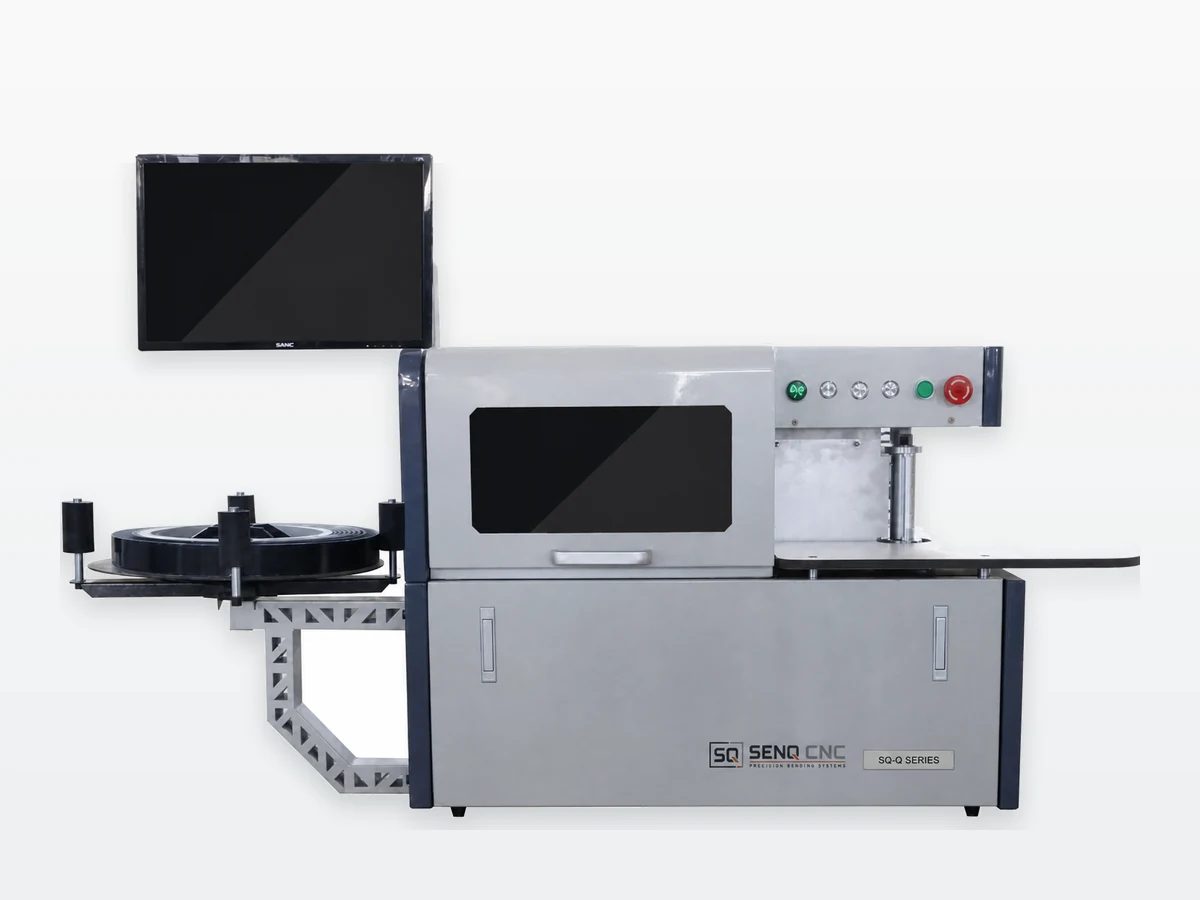
SENQ CNC MM series channel letter bending machineRecommended workflowMulti-Material Channel Letter BendersMM160 / MM200Mixed-material work and aluminum profile systems
Materials
Aluminum, stainless, galvanized, iron, copper, channelume
Work range
Width ≤160 / 200 mm; Al 0.3–1.2 mm; SS 0.3–1.5 mm; R≥3.5 mm
Core workflow
Automatic feed, straighten, cut, and dual-blade bend
View MM Details
SENQ CNC NF220 automatic notching and folding benderRecommended workflowAutomatic Notching & Folding Aluminum BenderNF220Notched and folded wide flat-aluminum returns
Materials
Flat aluminum
Work range
Height 20–220 mm; 0.8–1.1 mm; R≥8 mm
Core workflow
Feed, tooth notch, edge fold, arc bend, and cut off
View NF220 Details
SENQ CNC PF profile and frame bending machineRecommended workflowAluminum Profile & Sign Frame BendersPF60 / PF80Frames, shaped lightboxes, and decorative profiles
Materials
Aluminum profiles
Work range
Material processing height 8–120 mm; thickness 0.6–1.2 mm; confirm the arc against the cross-section drawing
Core workflow
Single-direction forming on PF60; single- and bidirectional forming on PF80
View PF Details
SENQ CNC FM flat-metal channel letter bending machineSpecialized workflowStainless & Flat-Metal Channel Letter BendersFM130 / FM220Stainless, galvanized, iron, and flat-aluminum letters
Materials
Stainless, galvanized, iron, flat aluminum
Work range
Height 20–130 / 20–220 mm; 0.3–1.2 mm; R≥5 mm
Core workflow
Gripper feed, slot, alternating bend, and automatic punch
View FM Details
SENQ CNC AP130 aluminum profile and coil bending machineSpecialized workflowAluminum Profile & Coil Channel Letter BenderAP130Aluminum profiles, flat aluminum, and folding coil
Materials
Aluminum profile, flat aluminum, folding coil
Work range
Height ≤130 mm; 0.3–1.2 mm; R≥7 mm
Core workflow
Automatic feed, slot, and bend
View AP130 Details
RF130 feeding and bending assembly from the model technical fileSpecialized workflowRoller-Feed Aluminum & Channelume BenderRF130Aluminum profile, flat aluminum, and channelumeVerified RF130 feeding and bending assembly detail
Materials
Aluminum profile, flat aluminum, channelume
Work range
Width ≤130 mm; 0.3–1.2 mm; R≥3.5 mm
Core workflow
Roller feed, slot, bend, and closed-loop correction
View RF130 Details
SENQ CNC TR compact rimless channel letter bending machineSpecialized workflowTrimless (Rimless) Aluminum BendersTR1 / TR2Compact rimless flat-aluminum letters
Materials
Flat aluminum
Work range
Height ≤100 mm; 0.3–0.8 mm; R≥3.5 mm
Core workflow
Automatic feed, slot, and bend
View TR Details

BUYER DECISION SUMMARY

Compare the Workflow Tradeoffs

A shortlist is a starting point, not a model promise. Use these four distinctions to decide which technical route deserves the next review.

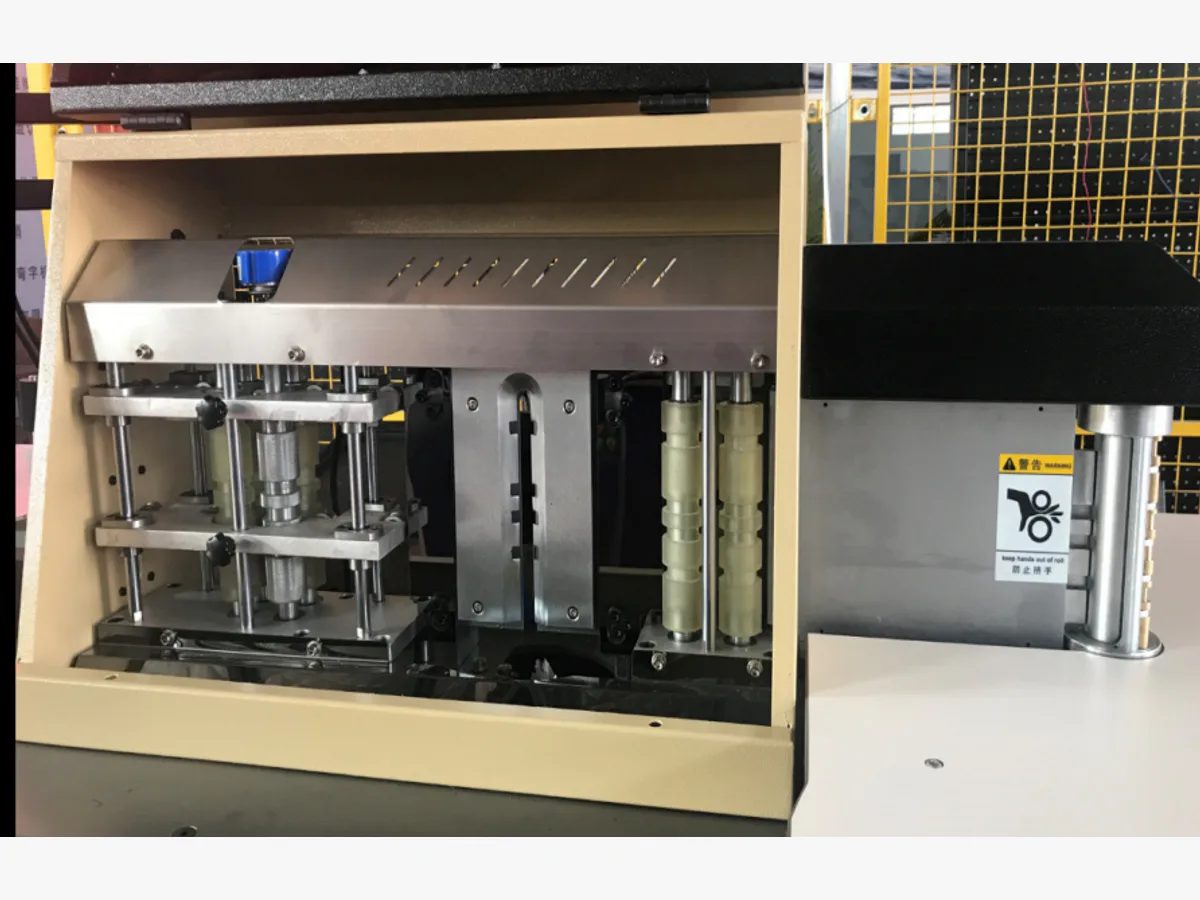
MM series machine platform shown as the multi-material route in this comparison

Multi-Material or Flat-Metal?

Start with MM for the broader documented mix of materials and aluminum profiles. Compare FM for a focused flat-metal route, especially when automatic punching is required.

  • Confirm material format, maximum height or width, radius, and required operations.
Build My Series Shortlist
Authorized NF220 workflow still showing a notched aluminum return

When Automatic Notching & Folding Is the Focus

Prioritize NF220 when wide flat-aluminum returns require automatic tooth notching and edge folding within its documented range.

  • Confirm return height, thickness, radius, notch pattern, and edge-folding requirement.
View NF220 Details
Authorized PF series workflow still showing a large formed profile frame

When the Profile Section Points to PF

Choose PF60 for single-direction shapes. Choose PF80 when the profile requires either single-direction or bidirectional forming.

  • Both models support an 8–120 mm material processing height; send the finished shape, cross-section, wall thickness, and required arc.
  • Visual examples show PF60 only; they do not demonstrate the PF80 configuration or bidirectional forming.
View PF Details
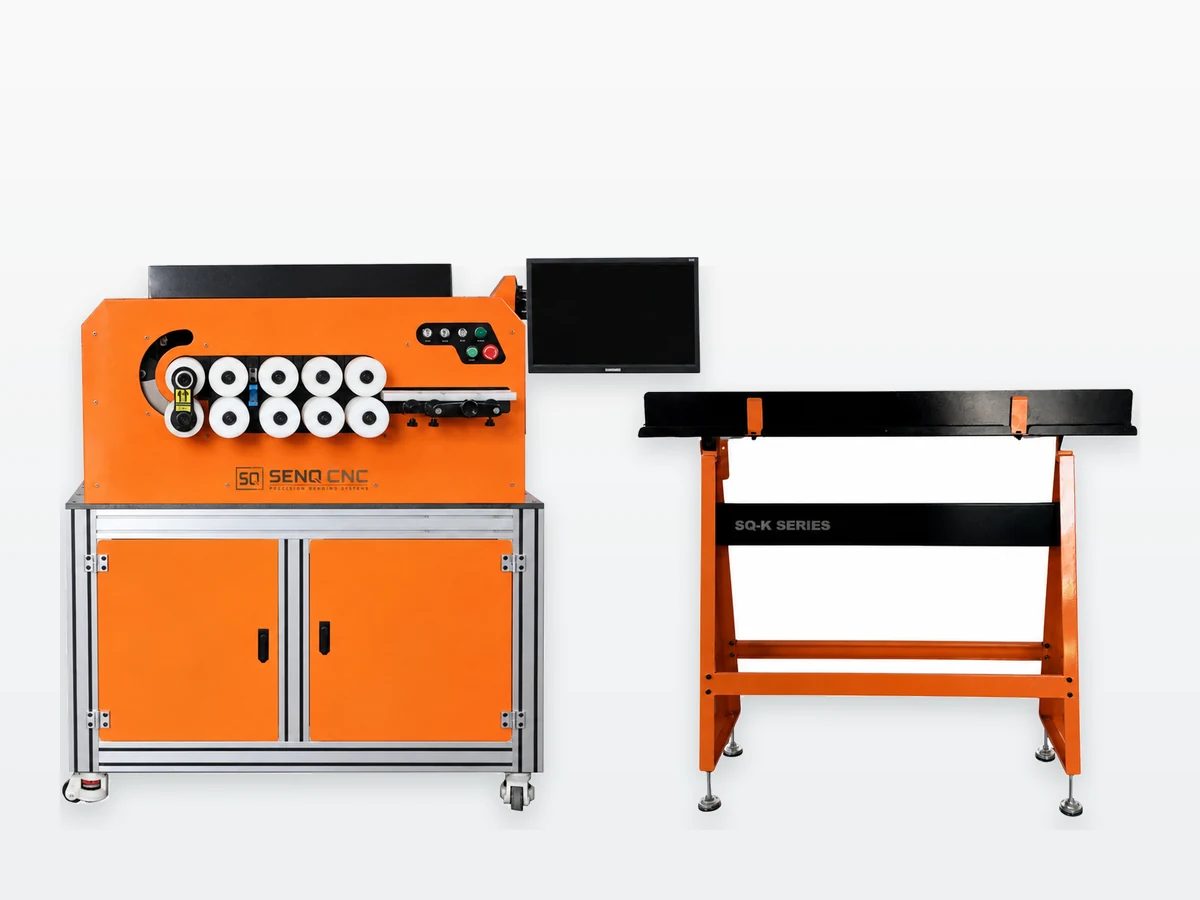
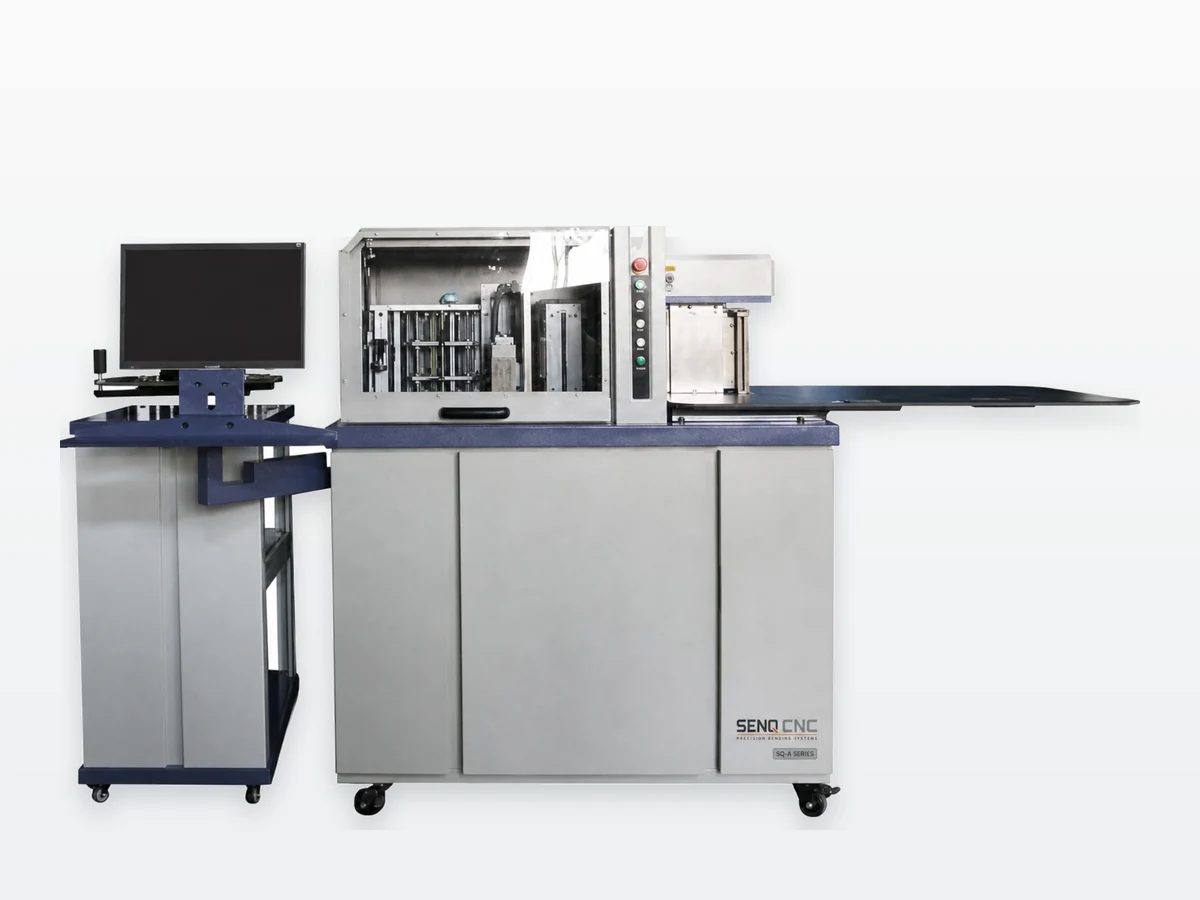
AP130 machine platform shown as one aluminum-processing route in this comparison

AP130, RF130, or the MM Series?

The route changes with profile, flat strip, folding coil, edge-folding coil, or channelume input and with the required size and radius.

  • Send the material cross-section so an engineer can confirm the suitable route.
Build My Series Shortlist

BUYER RESOURCES

Prepare a Better Machine Shortlist

Use these focused guides to separate material compatibility, required operations, and production-file readiness before requesting a quotation.

Compare Channel-Letter Materials

See how flat aluminum, stainless steel, galvanized sheet, aluminum profile, and channelume change the suitable machine route.

Compare Materials

Understand Notching, Flanging, Folding, and Slotting

Match each operation to the return style and machine route instead of choosing from a model code alone.

Compare Operations

Prepare a Production File

Build a review package around the DXF, material, dimensions, radius, and expected output.

Prepare Your File

SELECTION FAQ

Before You Choose a Series

Which series should I check first for general channel-letter work?

Start with MM for broad mixed-material work, then compare FM for flat stainless, galvanized, iron, or aluminum. Material format, working size, radius, and tooling determine the final model.

When is NF220 the stronger route?

NF220 is the focused option for wide flat-aluminum returns that require automatic tooth notching, edge folding, arc bending, and cutoff. Its documented height range is 20–220 mm.

Which route is intended for frames and shaped profiles?

Start with PF for frames, shaped lightboxes, decorative profiles, and large arcs. PF60 is for single-direction shapes; PF80 handles both single- and bidirectional shapes. Both support an 8–120 mm material processing height; send the finished shape, profile cross-section, wall thickness, and required arc for confirmation.

What should I send for a reliable recommendation?

Send the material and grade, thickness, maximum return height or width, minimum radius, profile cross-section when applicable, and a typical production file or finished-letter photo.

REQUEST A SERIES RECOMMENDATION

Send Your Production Requirements

Share the application, material format and grade, thickness, maximum working dimension, minimum radius, required automatic operations, and a representative production file you can share after contact. A SENQ engineer will confirm the starting series and order-specific configuration before quotation. Submit the requirements securely to start that review.

Interested Series